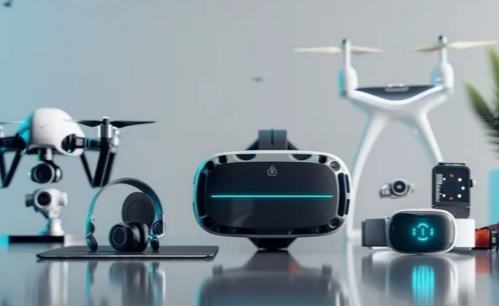
Smart gadgets powered by AI technology are transforming the way individuals interact with their environments. These devices streamline daily tasks and promote healthier habits, while also providing personalized experiences. From voice-activated assistants to sophisticated wearable tech, the integration of AI enhances convenience and control. However, as the capabilities of these gadgets expand, questions arise about privacy, security, and the future of human interaction in an increasingly automated world. What implications will this evolution hold?
The Rise of Voice-Activated Assistants
As technology continues to evolve, voice-activated assistants have emerged as a transformative force in everyday life.
Utilizing advanced voice recognition technology, these virtual assistants facilitate seamless interactions, enhancing user convenience and autonomy.
Intelligent Home Devices for Enhanced Living
The integration of voice-activated assistants has paved the way for a new era of intelligent home devices that enhance everyday living.
Smart lighting systems allow users to customize ambiance effortlessly, while advanced security systems provide peace of mind with real-time monitoring.
Together, these technologies foster a more liberated lifestyle, empowering individuals to control their environments intuitively and securely from anywhere, enhancing both comfort and safety.
AI in Wearable Technology
While many individuals embrace the convenience of wearable technology, the integration of artificial intelligence has transformed these devices into sophisticated health and lifestyle companions.
AI-enhanced wearables now offer advanced fitness tracking and real-time health monitoring, enabling users to make informed decisions about their wellness.
This synergy not only promotes healthier habits but also empowers users to take control of their health journey.
Future Trends in Smart Gadgets
Emerging trends in smart gadgets indicate a significant shift towards greater interoperability and personalization, driven by advancements in AI technology.
Future innovations will likely feature autonomous appliances that seamlessly integrate within a smart kitchen, enhancing user experience and efficiency.
As these devices learn individual preferences, they will foster a more intuitive environment, empowering users to reclaim control over their culinary spaces and daily routines.
Conclusion
As smart gadgets powered by AI technology continue to evolve, they juxtapose convenience with the necessity of mindful engagement. While these devices promise an effortless lifestyle, they also challenge users to navigate the balance between automation and personal agency. The seamless integration of intelligent systems into daily routines enhances living but raises questions about dependency and privacy. Ultimately, the future of smart technology lies not just in efficiency, but in fostering a deeper connection between users and their environments.