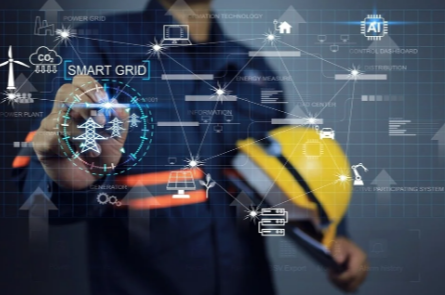
Smart grid technology is reshaping the energy landscape through several key trends. The integration of renewable energy sources facilitates a shift towards more sustainable systems. Decentralized energy systems enhance resilience. Meanwhile, advanced data analytics and artificial intelligence improve operational efficiency. Consumer empowerment through smart metering encourages energy conservation. These interconnected developments signal significant changes ahead in energy management, prompting an examination of their broader implications for the future of power distribution.
Integration of Renewable Energy Sources
The integration of renewable energy sources into the smart grid represents a pivotal advancement in energy management and sustainability.
However, renewable energy challenges, such as intermittency and storage, necessitate the development of hybrid energy systems. These systems combine various energy sources, optimizing performance while enhancing grid resilience.
Decentralized Energy Systems
Amid the ongoing evolution of energy systems, decentralized energy systems are emerging as a key component in the smart grid paradigm.
These systems empower communities through localized energy production and consumption, fostering resilience.
Integrating advanced energy storage solutions enhances reliability, allowing for efficient management of community energy resources.
This shift not only promotes sustainability but also offers individuals greater autonomy over their energy choices.
Advanced Data Analytics and AI in Smart Grids
As energy demand continues to rise and grid complexity increases, advanced data analytics and artificial intelligence (AI) are becoming integral to optimizing smart grid operations.
Predictive maintenance powered by machine learning enables utilities to anticipate equipment failures, enhancing reliability and efficiency.
This proactive approach minimizes downtime and operational costs, fostering a more resilient and adaptive energy infrastructure that empowers stakeholders while maintaining grid integrity.
Consumer Empowerment and Smart Metering Solutions
Empowering consumers through smart metering solutions fundamentally transforms energy consumption patterns and decision-making processes.
By enabling dynamic pricing, these solutions incentivize users to adjust their energy usage based on real-time costs, thereby fostering energy conservation.
This shift not only enhances individual autonomy but also promotes a collective responsibility towards sustainable energy practices, ultimately leading to more efficient and resilient power systems.
Read also: Smart Buildings Powered by Technology
Conclusion
In conclusion, the evolution of smart grid technology embodies a transformative shift towards a more harmonious energy landscape. By gracefully weaving together renewable energy sources, decentralized systems, and advanced analytics, the grid not only enhances operational resilience but also delicately empowers consumers. This intricate interplay fosters an environment where energy conservation and efficiency flourish, subtly guiding society toward a sustainable future. Thus, the advancements in smart grid technology represent a gentle yet profound revolution in energy management.